

Learning Guide
Getting Started with Demo Accounts for Practice
Set up risk-free trading environments to develop your technical analysis skills without capital exposure. Learn structured practice methods used by professional chart readers.

Why Demo Accounts Matter for Learning
You'll want to practice your technical analysis without risking real money. That's exactly what demo accounts are for — they're risk-free trading environments that replicate real market conditions. You're learning with actual price movements, genuine chart patterns, and realistic scenarios. No money goes in, but your skills absolutely develop.
Most serious traders spend weeks or months on demo accounts before trading live. It's not about being cautious. It's about building muscle memory. Your brain needs to see hundreds of price patterns, recognize support and resistance in real-time, and make decisions without emotional pressure. Demo accounts give you that space.

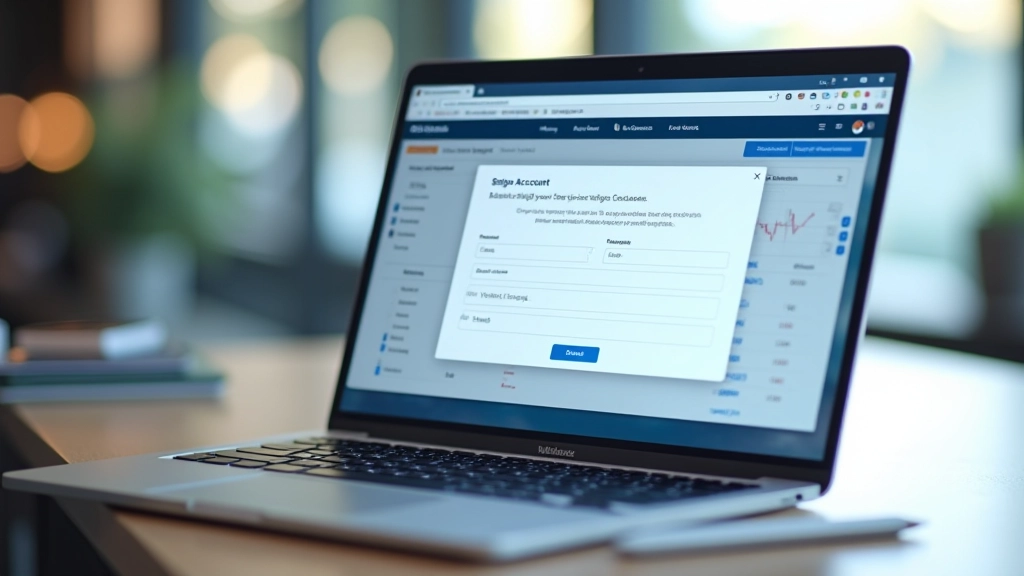
Getting Your Demo Account Running
Setting up a demo account takes about 5-10 minutes. You'll choose your trading platform (most brokers offer multiple options), select demo from the account type dropdown, and you're in. No credit card needed. No verification process. You get virtual capital — usually between £10,000 and £100,000 depending on the platform — and you're ready to practice immediately.
1
Choose Your Platform
Pick a broker with solid charting tools. MT4, MT5, and ThinkorSwim are popular in the UK.
2
Register Your Account
Fill out basic info. They'll email you login details within minutes.
3
Download & Install
Get the desktop platform or use the web version. Install takes 2 minutes.
4
Explore the Charts
Pull up your first chart. Real price data, zero pressure.
Structuring Your Practice Sessions
Random clicking on charts won't develop your skills. You need structure. Most traders use 30-60 minute focused sessions, 4-5 times per week. You're not trying to make money. You're studying price patterns, practicing entry decisions, and learning how specific indicators behave during different market conditions.
Real practice structure: Pick one chart timeframe (say 4-hour), identify 3 support levels and 2 resistance levels, then watch how price reacts when it approaches those levels. Write down your predictions. See if they match reality. That's one complete session.
You'll want to keep a practice journal. Seriously. Jot down which patterns you spotted, what you expected, and what actually happened. After 20-30 sessions, you'll see patterns in your own thinking — which setups work for you, which ones you misread regularly, which indicators actually help versus which ones distract you.

Important Information
This article provides educational information about demo accounts and practice methods for technical analysis. It's not financial advice, and it doesn't guarantee future performance. Demo account results don't reflect real trading conditions — slippage, liquidity constraints, and emotional pressure are different when real capital is involved. Always consult qualified financial advisors before making investment decisions. Practice thoroughly on demo accounts, but recognize that moving to live trading introduces new psychological and financial variables.
Moving Beyond Basic Practice
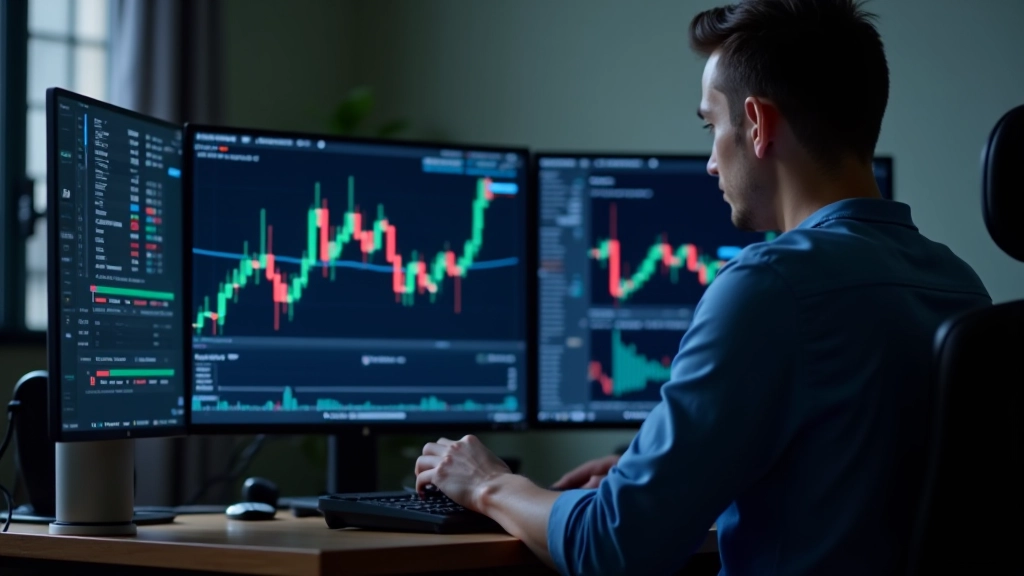
After 50-100 demo trades, you'll notice what separates decent chart readers from skilled ones. They're not taking every setup. They're patient. They wait for confluence — multiple indicators or price patterns lining up at the same level. They're also specific about risk. They know exactly where they'd exit if they're wrong, and they measure that distance before entering.
Your demo account should become a testing ground for this discipline. Can you skip a setup because it doesn't meet your criteria? Can you exit at your predetermined stop even when you think the trade might still work? These aren't questions you want to answer with real money on the line. Demo teaches you now, while mistakes are free.
Advanced practitioners use demo accounts to test new indicator combinations or practice unfamiliar timeframes. Someone who trades 1-hour charts might spend 20 demo sessions learning 15-minute charts. That's smart preparation, not wasted time.


Start Your Demo Practice Today
Demo accounts aren't a shortcut to trading success. They're the foundation. You're building pattern recognition skills, learning how your specific broker's platform works, and discovering your own strengths and weaknesses as a chart reader. All without financial pressure. That's genuinely valuable.
Pick your platform, set up your account, and commit to 6-8 weeks of structured practice. Keep notes on what works. Don't rush to real trading. The traders who succeed aren't necessarily the ones with the fastest reflexes — they're the ones who practiced enough to make sound decisions under pressure.